





A senior operator is an experienced operations professional who owns outcomes, not tasks: they build and run the processes a business depends on with minimal direction. Latin America has become a primary source of senior operators for US companies because the talent combines deep operational experience with US timezone overlap, so the operator runs your day in real time. The hard part is vetting — seniority claims are easy to make and expensive to get wrong, which is why structured, multi-layer vetting matters more for this role than almost any other.
What a senior operator actually is
A senior operator is an experienced operations professional who owns outcomes rather than tasks. Hand them a broken fulfillment process, a scheduling mess, or a back office drowning in exceptions, and they diagnose it, redesign it, staff it, and run it — without a playbook, because writing the playbook is the job. They manage vendors, hold SLAs, read a P&L line without help, and tell you what is going to break next month before it does.
That is a different animal from an operations coordinator, who executes a defined process well, and from a virtual assistant, who takes work off your plate one task at a time. Titles blur these lines constantly — 'operations manager' on a resume can mean any of the three — which is why hiring senior operators is less a sourcing problem than a vetting problem. The market is full of people with the title. The scarce thing is the judgment.
You know you need one when the founder or a senior leader is still the de facto head of operations: personally unblocking the daily exceptions, holding the process knowledge, and unable to take a week off without the machine wobbling.
Why US companies look to Latin America for senior operators
Operations is a real-time discipline. The work is the daily standup, the escalation at 10am, the vendor call at 2pm, the end-of-day handoff review. An operator who works while your business sleeps cannot run your business day — which rules out most offshore markets for this role and makes it a textbook case for nearshore hiring.
Latin America fits the role unusually well, for three concrete reasons:
- US timezone overlap. Operators in Mexico, Colombia, Peru, Argentina, or Chile share most or all of the US business day. When the exception fires at 10am, your operator is there at 10am — not reading about it tomorrow.
- Depth of operational experience. The region's professionals have spent two decades running operations for multinationals, regional logistics networks, shared-services centers, and fast-growing startups. The senior bench is real: people who have managed teams, carried budgets, and owned KPIs in demanding environments.
- Communication fit. Senior LatAm operators working with US companies are typically fluent, direct, and comfortable with US business norms — which matters double in a role whose core work is coordinating other people.
The cost picture is what you would expect from nearshore hiring — a fraction of an equivalent US loaded cost — but treat that as the enabler, not the reason. The reason is that you can get genuine senior judgment, live in your time zone, from a talent pool most US companies have not yet saturated.
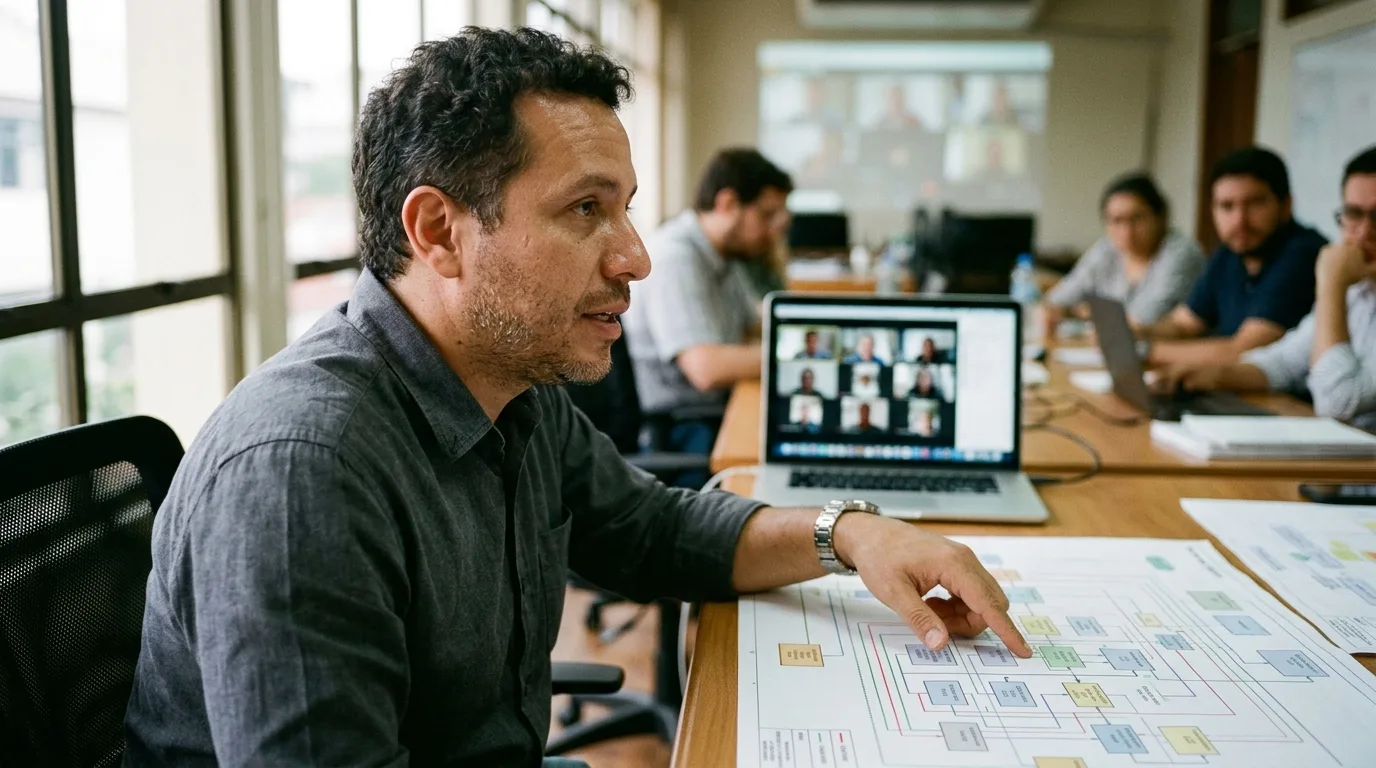
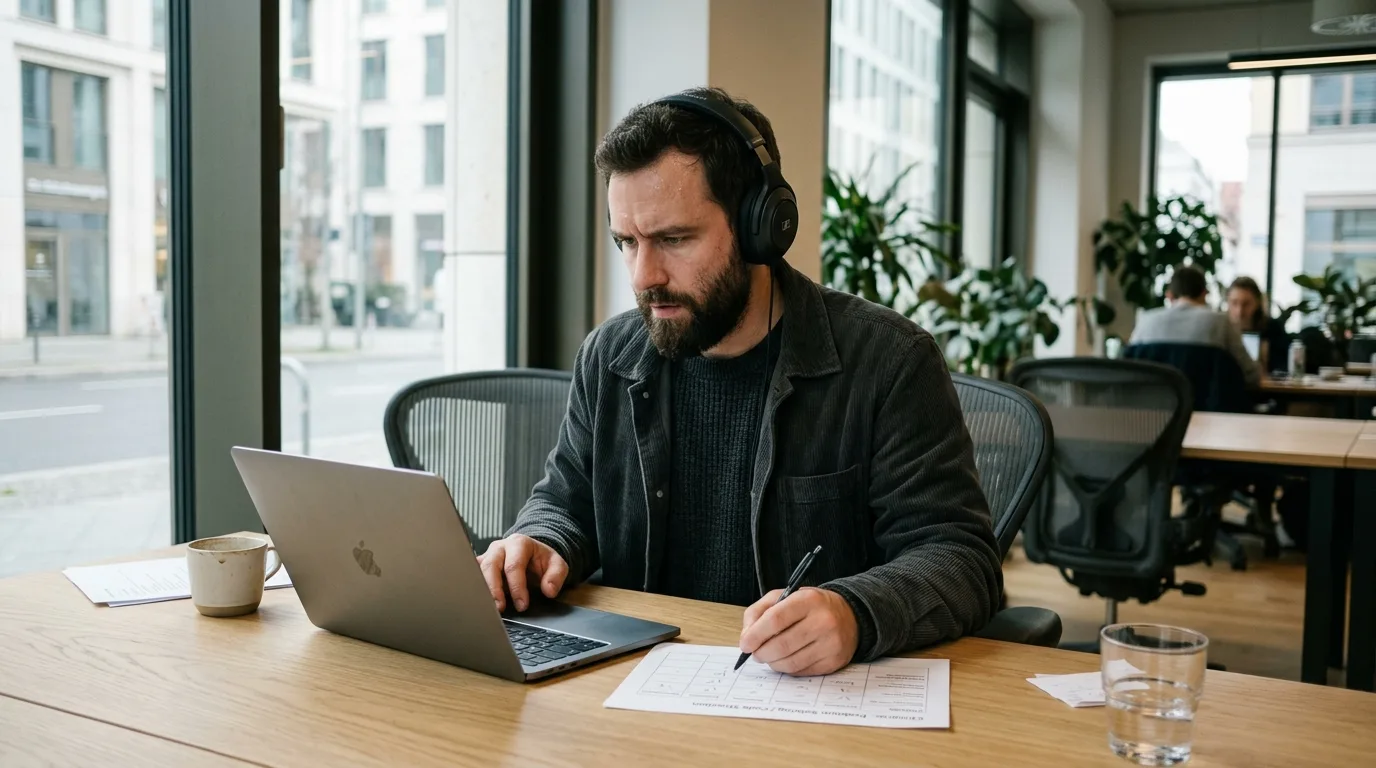
How to vet a senior operator (and how Opus does it)
Seniority is the easiest thing to overstate on a resume and the most expensive thing to get wrong in this seat. A weak engineer hire slows a sprint; a weak operator hire quietly degrades the whole company's execution for two quarters before anyone is sure why. The vetting has to be structural, not vibes.
At Opus, every candidate — operators included — passes an 8-layer vetting process before they can appear on any shortlist, and we have screened 500+ candidates building that bench. For senior operators, the layers that do the heaviest lifting are these:
- Scenario-based judgment screens. Not 'tell me about a time', but 'here is a live mess — walk me through what you do first'. Real operators go to data and triage; title-holders go to platitudes.
- Process artifacts. We ask candidates to show the actual machinery they built: the SOP, the dashboard, the escalation matrix. Owning the artifact is the difference between running a process and having been near one.
- Reference checks that verify scope. Did they own the outcome, the team, and the budget — or execute inside someone else's system? References answer scope questions honestly when you ask them precisely.
- English and communication under pressure. An operator's output is coordination. We test communication live, in working sessions, not in a written form.
- Working-style and motivation fit. Senior operators stay when the seat has real ownership. We screen for what the candidate wants to own, and match against what the role actually offers.
On top of the vetting, Opus placements complete a 6-module internal AI certification, which matters more for operators every quarter — the modern ops toolkit is AI-assisted reporting, triage, and documentation, and operators who use it well run leaner processes.
Keeping them: the retention side
Hiring a senior operator and losing them in month eight is worse than not hiring one — they leave with the process knowledge you hired them to build. Retention for this role is structural. Full-time, direct employment (not a contractor arrangement) gives the operator real ownership and a single team to belong to. Genuine scope — a machine that is theirs to run — is what senior people stay for. And a compensation package that is competitive in their local market removes the standing incentive to keep interviewing.
That structure is the Opus model by default: direct, full-time employment, dedicated to one company. It is a large part of why 97% of the people we place are still in their seat a year later, across 325+ companies. And if a placement ever does stop working out, the lifetime replacement guarantee — no cap, no time limit — covers the seat.
If you are ready to define the seat, the operations manager role page shows the profiles, and starting the process takes one kickoff call. Shortlist of three vetted operators in three to five days; 14 days on average from brief to signed hire.
Frequently asked questions
What is the difference between a senior operator and an operations manager?
The titles overlap; the distinction is scope. A senior operator owns outcomes end to end — they design the process, run it, and are accountable for its numbers. Many people titled operations manager execute within a process someone else designed. Vet for the scope, not the title.
Can a senior operator work fully remote from Latin America?
Yes, provided the hours align — and with LatAm they do. Operations depends on being present in the daily rhythm of the business, which is a time zone question, not a geography question. An operator with full US business-day overlap runs your day exactly as an in-office hire would run it.
How long does it take to hire a senior operator through Opus?
The same timeline as any Opus placement: a shortlist of three vetted candidates in three to five days, and 14 days on average from brief to signed hire.
What if the operator does not work out?
Every Opus placement carries a lifetime replacement guarantee with no cap and no time limit. If the hire stops working out at any point, we replace them.